.jpg)
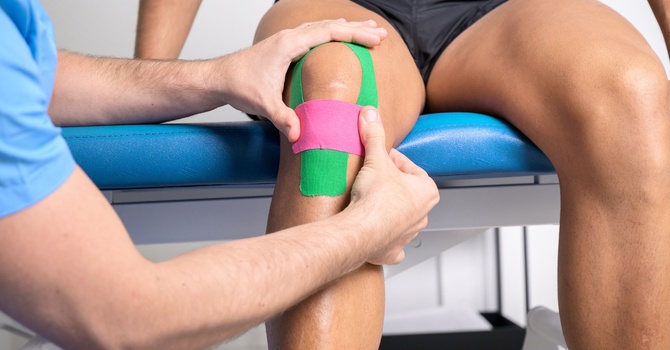
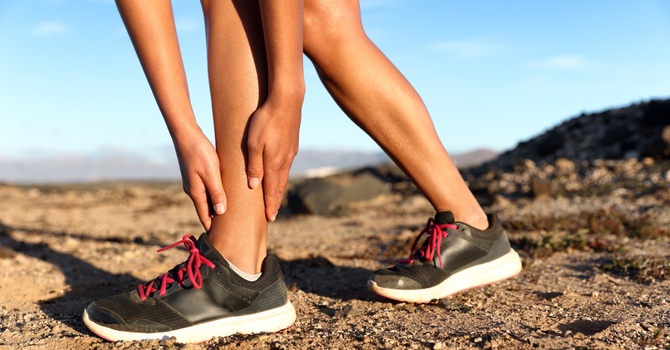
Think back to the last time you rolled your ankle or tweaked your knee. My guess is the first thing you did was slap some ice on it, pop a few ibuprofen, wrap it in an ace bandage, and lay on the couch. Maybe you started with an X-ray, and the doc prescribed that exact protocol.
This is the age-old RICE approach to injury management: Rest, Ice, Compression, Elevation.
For decades, the medical community and world at large have promoted RICE as the gold standard for acute injury management. I'm here to challenge that protocol and give you a better way. A way that promotes optimal healing without slowing it down. A way that sets you up for long-term success, not a string of re-injuries. A way that finally puts RICE where it belongs—in the trash.
A History Lesson: How RICE Became Gospel
The RICE protocol was first coined by Dr. Gabe Mirkin in the late 1970s as an easy-to-remember approach for managing acute soft tissue injuries like rolled ankles and knee sprains. The idea was to protect the injured joint, reduce inflammation, and push out swelling—all of which sound great on the surface.
Injured tissue needs to heal, and stomping on stretched and damaged ligaments is obviously a bad move. Swelling, especially if it persists, can impede muscle function and create persistent pain and range of motion limitations. Sounds like a great idea to reduce swelling, right? And we all know inflammation is bad... at least that's what your cousin who just started a juice cleanse learned from TikTok.
This protocol has been referenced as gospel by athletic trainers, urgent care docs, and well-intentioned coaches for decades. However, as time wore on and more research emerged on the body's healing capabilities, our understanding of injury first aid became more nuanced.
In 2015, Dr. Gabe Mirkin—the originator of RICE—wrote a blog article detailing why he personally no longer subscribes to the protocol he created.
RICE had given us a starting point in managing soft tissue injury, but it fell short (and even potentially delayed healing in many cases) for a few key reasons.
Why RICE Falls Short
1. Short-Term Inflammation is NECESSARY for Healing
Contrary to what your juice-cleansing cousin would tell you, inflammation is normal and quite important for optimal healing of an acute injury. The inflammatory cascade brings in a host of healing nutrients to the injured tissue, as well as providing cleanup services.
In order for new tissue to be laid down, we first need to remove the damaged tissue. Imagine you have a fire in your kitchen and burn up the cabinets above your stove. Before you can put new cabinets in, the old burned cabinets need to be taken out. That's inflammation.
When we take NSAIDs (like ibuprofen), we actually slow down this acute inflammatory process. We lock the door so the contractor can't come in to remove the burned cabinets.
2. Ice Doesn't Actually Help (And Might Hurt)
Swelling is a by-product of the healing process, and yes, we want to remove that excess fluid. But ice does a pretty poor job—and in fact, it can actually slow down healing.
Swelling occurs because your local blood vessels become more porous, allowing healing nutrients to rush to the injury site. Along with the nutrients comes extra fluid (since that's what transports the nutrients). Ice constricts blood vessels in the area, reducing your body's ability to deliver those healing nutrients.
That's the last thing we want, since we already established inflammation is GOOD in the short term.
3. Total Rest Sets You Up for a Tougher Rehab
For the first 3 days (the amount of time it typically takes for the acute inflammatory period), restricting the movement of injured tissue can help establish a good foundation for recovery. However, long-term rest and activity restriction leads to:
- Stiffness
- Muscle atrophy
- Increased risk of re-injury
Early movement and exercise (dosed appropriately) is key to optimizing healing and reducing injury risk. At Pack Performance PT, we specialize in determining the right dose of movement for your specific injury so you can heal faster and stronger.
PEACE and LOVE: The New Standard of Soft Tissue Injury Management
Now that I've upended your entire worldview on ankle sprains and other soft tissue injuries, we need an actionable protocol for establishing optimal healing.
Enter PEACE and LOVE.
PEACE (First 72 Hours After Injury)
PEACE stands for: Protect, Elevate, Avoid anti-inflammatories, Compress, Educate. This is your initial plan for the first 72 hours after an injury occurs.
P - Protect
Protect the injured tissue from further damage by reducing loading and restricting motion in the injured area. This means don't run on your sprained ankle—maybe invest in a pair of crutches or a walking boot. Be nice to it for the first 3 days and let inflammation do its thing.
E - Elevate
Elevate the injured body part to help reduce swelling. Gravity never quits, but it also doesn't impact your body's ability to transport healing nutrients to the injured tissue. Prop that ankle up!
A - Avoid Anti-Inflammatories
Avoid anti-inflammatories like ibuprofen and other NSAIDs, along with ice. If you haven't been paying attention thus far, inflammation is GOOD in the short term to promote optimal healing. These modalities may FEEL good in the moment, but short-term discomfort is a small price for long-term tissue health.
C - Compress
Compress the injured body part to further promote swelling reduction. Compression helps encourage fluid to make its way into the lymphatic system (our body's natural fluid removal system) without impacting inflammation.
E - Educate
Education regarding healing timelines and recovery expectations is critical. All injuries heal on slightly different timelines depending on the type of tissue involved and the severity of the injury. However, the natural course of any injury is that it will get better with time—as long as we do the right stuff to support it along the way.
Our bodies are capable of healing in amazing and profound ways. At Pack Performance PT, we take the time to educate you on what to expect throughout your recovery journey so you never feel lost or confused about what's happening in your body.
LOVE (After the First 72 Hours)
Once you've made it through the acute inflammatory phase, it's time to show your injury some LOVE: Load, Optimism, Vascularization, Exercise.
L - Load
Load is what our body's tissues need to heal properly. Load means stressing the tissues with mechanical stimulation appropriately—as soon as symptoms allow—with properly dosed sets, reps, and tempos. This could be movement with just your bodyweight, or adding external load like dumbbells, bands, or a barbell.
Each tissue responds to load differently, and that's where we at Pack Performance PT come in. We'll provide the appropriate guidance for your specific injury, ensuring you're applying the right amount of stress at the right time to optimize healing.
O - Optimism
Belief that you will get better has been shown to have a powerful effect on your body's ability to recover from an injury. On the flip side, catastrophizing, depression, and fear-avoidance behaviors can create long-lasting negative effects and contribute to the development of chronic pain.
Think positively about the journey you're on to recover, and don't forget that Pack Performance PT has your back through the entire process. You're not figuring this out alone.
V - Vascularization
Aerobic exercise has a positive effect not only on pain early in an injury process, but it keeps you moving and boosts motivation at the same time (helping with our Optimism factor!).
Aerobic exercise releases endogenous opioids—our body's natural pain-relieving system. It also creates systemic blood flow, which is critical to delivering healing nutrients to the site of an injury.
Get some pain-free aerobic exercise going as soon as your symptoms allow! While there isn't a prescribed dosage in the literature, my recommendation is to get sweaty and out of breath 3-5 times per week.
E - Exercise
The last of our categories is exercise! Progressive and appropriately dosed exercise provides the much-needed mechanical stimulation tissues require to heal properly (see Load above). But it also:
- Improves mobility and range of motion
- Enhances stability and control
- Reduces your risk of re-injury down the road
You'll never be able to totally prevent injuries from popping up again. BUT a consistent and challenging exercise routine will increase your capacity and resilience so you can handle more stress before injuries occur—and bounce back quicker when they do. (Sound familiar? Check out our article on The Pain-Free Myth to learn more about building resilience.)
Bringing It All Together: Your Path to Optimal Recovery
The shift from RICE to PEACE and LOVE represents a fundamental change in how we understand injury recovery. We're no longer trying to stop the body's natural healing process—we're supporting and enhancing it.
Here's what this looks like in practice:
When you roll your ankle, instead of icing it and sitting on the couch for a week, you:
- Protect it for 72 hours while inflammation does its job
- Elevate and compress to manage swelling naturally
- Skip the ibuprofen and ice to allow optimal healing
- Start loading the tissue progressively as soon as tolerated
- Maintain aerobic fitness with pain-free activities
- Follow a structured exercise program to rebuild capacity
Sounds simple, right? But here's the reality: knowing what to do and knowing how much to do are two very different things.
Where Pack Performance PT Comes In
At Pack Performance PT, we don't just hand you a generic protocol and send you on your way. We provide:
Expert assessment to understand exactly what tissues are involved
Personalized loading protocols specific to your injury and goals
Progressive exercise programming that rebuilds capacity without re-injury
Education every step of the way so you understand what's happening in your body
Long-term planning to prevent future injuries and build resilience
We specialize in getting CrossFit athletes, strength athletes, runners, and motivated movers like you back to performing at your best—not just back to "pain-free." Because as we know from The Pain-Free Myth, pain-free isn't the goal. Resilient, capable, and confident is.
The Bottom Line
RICE had a good run, but it's time to retire it. The science is clear: our bodies heal best when we support the natural inflammatory process, introduce appropriate load early, and progressively build back capacity.
The next time you or someone you know tweaks something, skip the ice and NSAIDs. Show that injury some PEACE and LOVE instead.
And if you're not sure where to start or want expert guidance through the process? That's exactly why Pack Performance PT exists. Nobody should have to figure out their pain alone.
Ready to recover the right way? Schedule a consultation with Pack Performance PT and let's create your personalized recovery plan. When you join the Pack, you've got a supportive community at your back throughout your entire journey—from injury to recovery to performance.
Sources:
.jpg)
Matthew Szymanski
Contact Me