.jpg)
Back pain is the single leading cause of disability worldwide and costs the US medical system ALONE $650 million every year. 80% of adults will experience back pain at some point in their lives.
As a young man, I never thought I would be another one of those statistics.
The Beginning: Big Ego, No Fear, No Plan
Like many in their late teens and early 20s with a big ego and no fear, I dove headfirst into strength training and bodybuilding to bulk up my skinny 130lb frame.
I started reading Muscle and Fitness Magazine, scrolling T-Nation's many articles on workout plans. I spent a few years living in the gym with no real plan—just a lot of time spent benching, deadlifting, and squatting until my legs and arms gave out.
The beginner's gains kept me coming back. I was hooked on getting stronger and adding muscle.
Finding CrossFit (And Ignoring the Warning Signs)
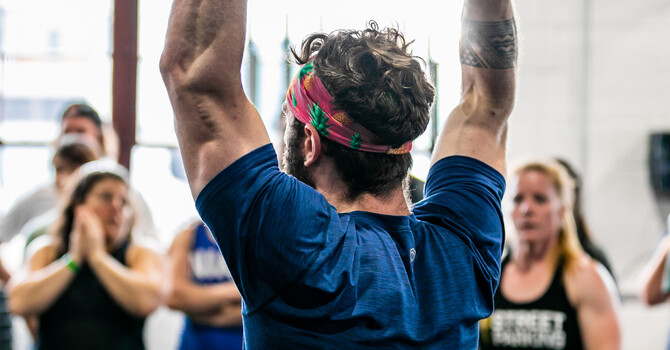
In 2014, a friend introduced me to CrossFit. I immediately fell in love with the intensity, the community, and the competitive drive of what many at the time considered a "cult."
I joined my first affiliate, CrossFit Wallingford, and after getting my butt whooped every single night, found myself going down the competition rabbit hole.
I kept adding more and more to my training without paying my recovery the respect it deserved. I ignored the subtle signs my body was sending—signs saying "Hey dummy, why don't you go home and sleep instead of adding in another training piece?"
Looking back, I can now recognize these signs for what they were, but at the time, I didn’t know any better and continued to push through.
The Injury That Changed Everything
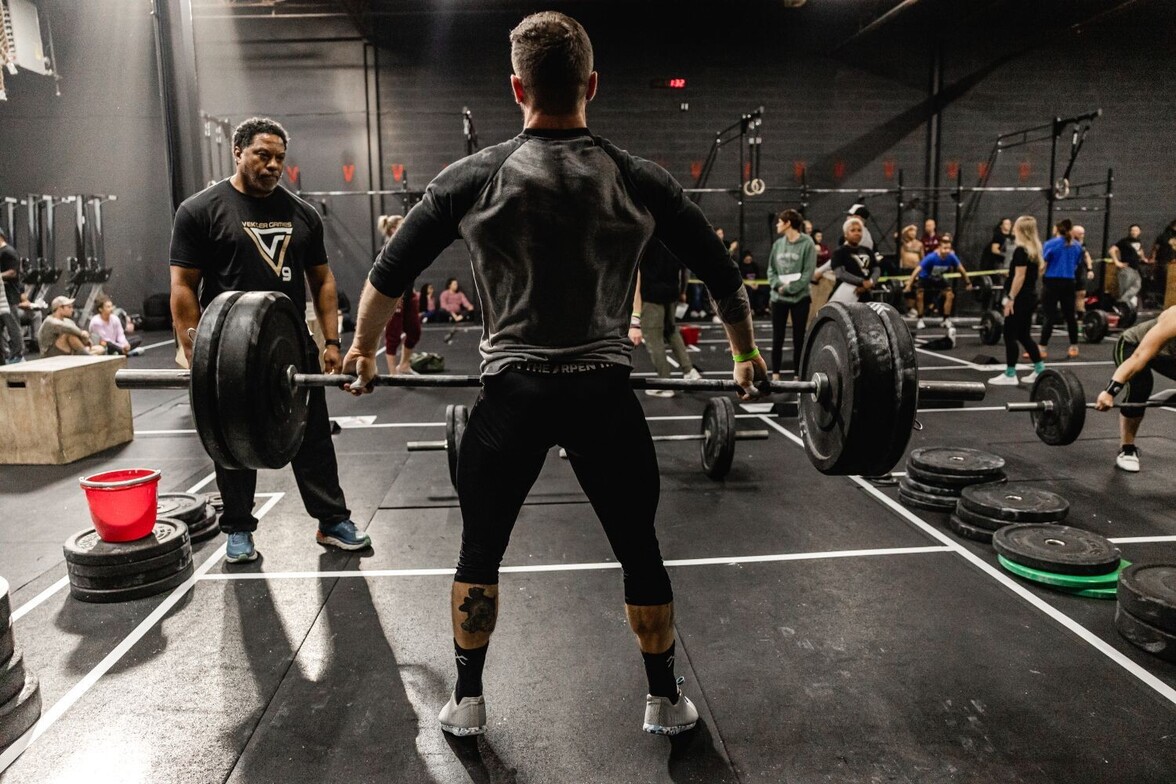
In 2016, I suffered a back injury doing what I thought was a pretty benign training piece—an Olympic weightlifting-focused workout with clean and jerks at a relatively light weight for me.
I felt something "tweak" in my back and immediately knew something was wrong.
But of course, my ego convinced me that if I "just went lighter," I'd be able to finish the workout. And I did.
But you know how that story ends.
I paid for it big time over the next couple of weeks. I had to take a couple of days off work because I couldn't sit at my desk. We had a trip planned to Niagara Falls, and of course we weren’t going to cancel, so I spent what felt like the most miserable 6 hours of my life in a car up to Canada.
The Cycle Begins
Things slowly got better, and I said to myself: "I'll just take it easy at the gym and slowly work back into my normal routine."
After a couple of weeks, it was like nothing happened.
But after about six months? I felt another "tweak" and the cycle repeated.
I found a great chiropractor who helped me work through the symptoms and got me back into the gym faster than before.
But the tweaks kept coming. With greater intensity and shorter time between episodes.
This is what I now recognize as the I3 Model of Pain in action—incomplete mechanics creating insults that eventually lead to injury. Except I was stuck in the loop: injury → relief → injury → relief.
The Diagnosis (And the Advice I Didn't Want to Hear)
I was starting to get worried that something was seriously wrong, so I got an appointment with a spine doc.
They took an MRI and lo and behold: two herniated discs at L4/L5 and L5/S1.
The doc didn't recommend surgery (yet), but he did tell me that CrossFit probably wasn't the right activity for me.
But of course, I didn't want to stop. So I did all the things.
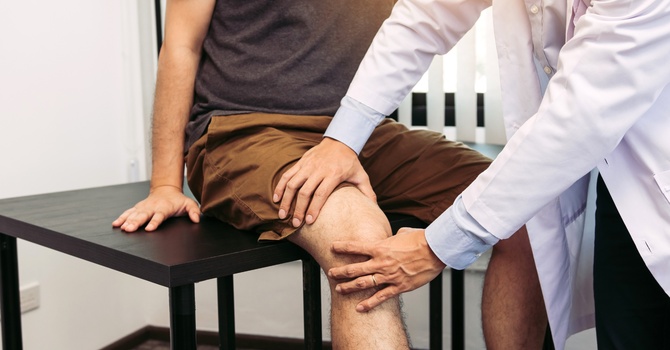
I went to PT at the mill down the street and was given all the generic stuff: heat, ultrasound, traction, a little dry needling thrown in there, and a basic home exercise program.
I started stretching and doing mobility every day. I did tons of "core" work. Once a week I did yoga.
All the things you find online that are supposed to help your back.
I wish I could say that it helped.
Better, But Still Stuck
The tweaks did became fewer and farther between, but they kept happening.
Instead of every 2-3 months, it was now every 5-6 months. Definitely improving, but I truly had no plan other than to "do more recovery” and continue to modify my training.
I was spending 30+ minutes warming up and 30+ minutes stretching before bed. I was able to continue my training, but my performance had been on a long, slow decline.
My strength numbers dropped. I was nervous to lift "too heavy." I stopped doing certain movements I heard were "bad for your back." I couldn’t remember the last time I actually did a workout as prescribed except for ones with biking and bodyweight movements.
And I always had a little voice in the back of my head saying: "Is this the workout you're going to tweak something again?"
I knew something had to change.
The Decision to Become a PT (And Help Myself in the Process)
Along the way, I was also preparing myself to quit my job as an engineer and go back to school full-time to become a physical therapist. I had my CrossFit Level 1 and coached a few nights a week. I enjoyed trying to help athletes modify around pain like I was constantly doing. But I felt like I couldn’t really help them (or myself for that matter). I was inspired by the likes of Kelly Starrett, the Supple Leopard himself, so one day, I googled how to become a physical therapist.
Realizing it was going to take quite a bit of prep, I started taking classes at night to meet the prerequisites. In 2018, I was finally ready to step away from designing roads and help other people like me who were stuck with this never-ending pain find their way out of it.
I loved CrossFit and didn't want to stop. I was frustrated by the advice I kept getting from doctors constantly telling me to "just stop doing CrossFit and your back will get better."
I wanted to help other people like me who felt trapped and frustrated by their pain without taking the bullshit advice of "just stop doing what you love."
I secretly hoped that by learning how to be a PT, I could not only help other people but help myself at the same time.
Finding the Right Help (Finally)
Even though I had chosen PT as my new career path, truthfully, I didn’t have great luck with the local mills. I knew there had to be something better out there for people who wanted more than to simply get out of pain, and actually wanted to create a long term solution. Something for people who want to push themselves to do hard things without fear.
Before starting school, I found a group of online PTs, strength coaches, and chiros who specialized in working with CrossFitters in pain.
They took me through a very thorough assessment and put me on a plan that not only incorporated the strength and mobility work my body needed but also:
- Helped adjust my programming
- Improved the lifestyle factors negatively affecting my pain (sleep, nutrition, stress, etc)
- Worked on changing my mindset around pain
- Helped me understand my pain at a deep level
Recovery was not a fast process. But I stayed the course and was finally able to start making the progress I never thought was possible.
Graduation and Beyond
When I graduated PT school in 2021, I was at the point where I felt more confident in my back—but still not 100%.
The last time I experienced a "tweak" that took me out for weeks was November 2019. It had been a solid two years of feeling a little better day after day, week after week.
I was no longer constantly fearful, but I still had that little voice in the back of my head.
Truth be told, that voice might never fully go away. But I know how to quiet it when it comes.
Where I Am Today
At this point, my back will occasionally bug me from time to time. But the difference is that I know my pain.
I understand why I hurt, and I know the strategies for my body that will help calm things down.
I no longer panic when I feel my back start to get achey. I'm able to make smart training decisions and adjustments to my lifestyle to continue to feel good.
I still have those two herniated discs in my back. But I no longer fixate on the fact that something is "wrong" that needs to be fixed.
I, like much of the population my age, have a back that looks 20 years older than my face. But I know that the picture doesn't tell my story.
Reflecting Back
We will all experience pain. It's a normal part of being human. I am one of the 8 in 10 people who experience back pain in their lives.
My pain experience wasn't necessarily any worse than any other person's, but it certainly affected my mental health, my personal life, and my social life as much as it affected my workouts.
There were days where I seriously considered giving up on CrossFit and just doing yoga like the doctors said—but I knew deep down that wasn't what I wanted.
I look back and wonder what I missed out on that I didn't even appreciate at the time because of my back pain.
This is what I now understand as the true cost of unresolved pain. It's not just about missing workouts—it's about missing life.
Why I Founded Pack Performance PT
I founded Pack PT because I don't want people to struggle for years like I did to figure out their pain. I also knew there had to be better options out there for people who were sick of hearing they have to stop the activities they love. Typical PT didn’t work for me, and so I decided to find a way to do things differently for my patients.
I was at the point of giving up when I found the rehab pros who were finally able to help me. But I now know it doesn't have to be like that.
I know what you're going through because I've been there. I continue to work through the issues my pain has caused, but in a way, I’m grateful for that. It allows me to understand the struggles my patients go through first hand. I’ve been in your shoes, and I know how frustrating it can be.
But with the right framework, I've been able to create a system to help myself and help others truly know their pain.
Pain Is Information
Pain is information. And far too often, we don't understand what it's trying to tell us.
We hope a stretch, an exercise, or a lacrosse ball will keep us going when what we truly need is clarity.
Clarity about:
- What's influencing your pain - lifestyle, sleep, nutrition, movement (or lack thereof), stress, etc
- What your body needs to heal
- How to do it without sacrificing the activities you love
There's often far more influencing what you feel than a singular stretch or exercise alone can fix.
But when you know your pain, you take control of your pain. That's when you can finally overcome it.
This is the foundation of everything we do at Pack Performance PT. We don't just treat your symptoms. We help you understand your pain, address the root causes, and build the resilience and capacity to handle whatever life throws at you.
You Don't Have to Figure This Out Alone
My guiding ethos is simple: Don’t face pain alone.
I spent 5 years spinning my wheels, trying random things, living in fear of the next tweak. I don't want that for you.
At Pack Performance PT in Rocky Hill, Connecticut, we help active adults and athletes like you:
- Understand your pain at a deep level (not just where it hurts)
- Restore pain-free movement with personalized progressions
- Rebuild capacity and resilience so you can train without fear
We don't tell you to stop doing what you love. We help you do it better, stronger, and smarter.
Ready to Take Control of Your Pain?
If you're dealing with chronic back pain, recurring injuries, or just that nagging voice in your head saying "what if I tweak something again?"—I've been there.
And I can help you through it.
Schedule your free discovery call and let's create your personalized plan. When you join the Pack, you've got a supportive community at your back through the entire journey.
Questions? Text me at 860-266-6287 or email dr.matt@packperformancept.com.
You don't have to do this alone.
—Dr. Matt
Pack Performance Physical Therapy
.jpg)
Matthew Szymanski
Contact Me